

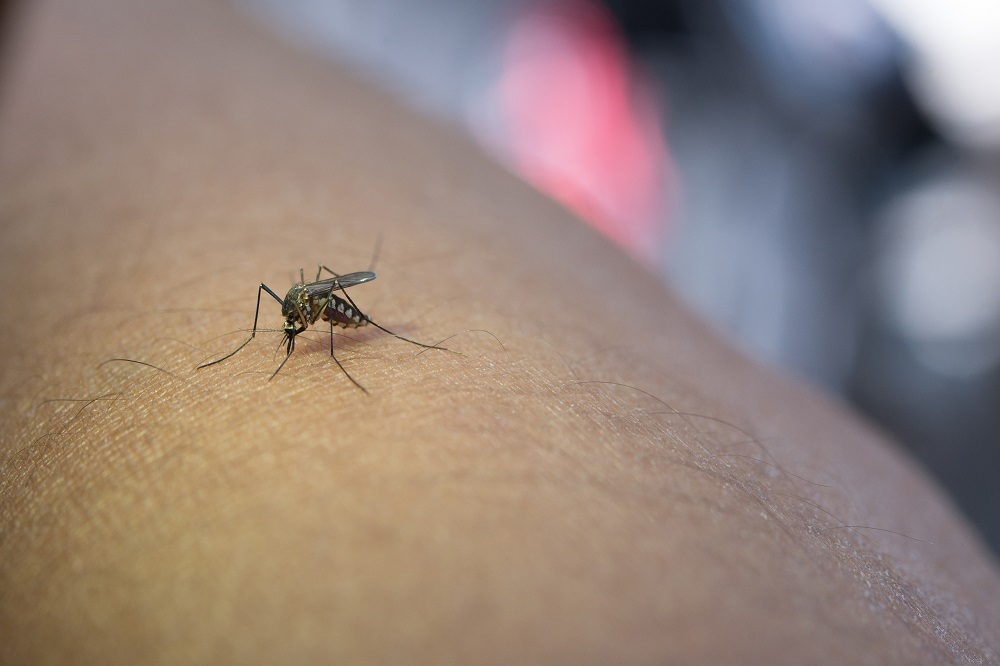

Mosquito Season Came Early to San Antonio This Year
Mosquito season is already active in San Antonio, and this year it started earlier than usual. In early May, a mosquito trap near Hillcrest Drive and Bandera Road tested positive for West Nile virus. Metro Health confirmed the finding, and crews treated the area shortly afterward.
That does not mean there is a reason to panic. Most mosquito bites do not lead to illness, and most people infected with West Nile virus never develop symptoms. Still, this is a good time to know what to watch for and how to lower your risk.
There is also another mosquito borne illness worth keeping in mind this summer: dengue fever. Dengue is more common in many parts of the world, and travel can occasionally bring cases into Texas. Because the type of mosquito that can spread dengue is found in Texas, public health officials continue to monitor for possible local spread.
Why This Mosquito Season Looks Different
San Antonio has had warm, humid weather and periods of rain, which creates ideal conditions for mosquitoes. Standing water is where mosquitoes lay eggs, and it does not take much. Buckets, plant saucers, clogged gutters, bird baths, kiddie pools, and even small containers can become breeding areas.
West Nile virus is already known to circulate in Texas during mosquito season. Dengue is less common locally, but most U.S. cases are linked to travel. If someone becomes infected while traveling and is later bitten by a local mosquito, there is a small possibility that the mosquito could spread the virus to someone else.
The goal is not fear. The goal is awareness.
Who Needs to Be More Careful
Most healthy adults who develop symptoms after a mosquito-borne infection recover with supportive care. However, some people have a higher risk of severe illness, especially with West Nile virus.
Higher-risk groups include:
- Adults 65 and older
- People with diabetes
- People with high blood pressure
- People with kidney disease
- People with cancer
- People with weakened immune systems
- People taking immune-suppressing medications
- Transplant patients
If you or someone in your household falls into one of these groups, do not wait too long to get checked if symptoms develop after possible mosquito exposure.
West Nile Virus: What It Can Look Like
Most people infected with West Nile virus never feel sick. About 1 in 5 people develop mild symptoms, which can feel like a summer flu.
Symptoms may include:
- Fever
- Headache
- Body aches or joint pain
- Fatigue
- Vomiting or diarrhea
- Rash
Most mild cases improve with rest, fluids, and symptom control.
A small number of people develop more serious illness affecting the brain or nervous system. Seek medical care right away if you notice:
- Severe headache
- Stiff neck
- Confusion
- Tremors
- Muscle weakness
- Trouble walking
- Trouble speaking
- Seizures
- Decreased alertness
These symptoms should not be watched at home.
Dengue Fever: The Medication Warning to Remember
Dengue can also cause fever and body aches. Some people describe the muscle, joint, or bone pain as deep and intense. Other symptoms can include fatigue, nausea, vomiting, rash, or pain behind the eyes.
Most people recover within about one to two weeks, but dengue has one important medication warning:
If dengue is possible, avoid ibuprofen, naproxen, aspirin, and other NSAIDs until you have been evaluated. These medications can increase the risk of bleeding complications. Acetaminophen, also known as Tylenol, is generally preferred for fever or pain unless your healthcare provider has told you not to take it.
Severe dengue warning signs often appear after the fever starts to improve. Go to the ER if you develop:
- Severe abdominal pain
- Repeated vomiting
- Bleeding gums or nosebleeds
- Blood in vomit or stool
- Unusual bruising
- Extreme weakness, restlessness, or sleepiness
- Trouble breathing
When to Wait and When to Be Seen
Mild fever, body aches, and fatigue after possible mosquito exposure can often be managed at home for a day or two with rest, fluids, and acetaminophen.
Schedule a same day visit if symptoms are worsening, the fever is high or persistent, or you are in a higher-risk group.
Go directly to the ER for confusion, stiff neck, severe headache, trouble walking, weakness, seizures, severe abdominal pain, unusual bleeding, or severe dehydration.
Hillside Primary Care offers same-day appointments for patients with mild to moderate symptoms who need prompt evaluation. Anyone with emergency warning signs should go directly to the emergency department.
How to Lower Your Risk This Summer
The most effective step is removing standing water around your home once a week.
Check:
- Plant saucers
- Buckets
- Toys
- Kiddie pools
- Bird baths
- Pet bowls
- Trash cans
- Clogged gutters
- Outdoor furniture covers
Use EPA registered insect repellent when spending time outside. Repellents containing DEET, picaridin, IR3535, or oil of lemon eucalyptus can help prevent bites when used according to the label.
Other helpful steps include:
- Wear long sleeves and pants when practical
- Use screens on windows and doors
- Repair torn screens
- Keep doors closed when possible
- Use air conditioning when available
- Consider permethrin treated clothing for prolonged outdoor activities
A quick weekly yard check can make a real difference.
Bottom Line
Mosquito season is here early, and both West Nile virus and dengue are worth knowing about this summer. Most people will be fine, but fever after mosquito exposure should not be ignored, especially in older adults, young children, or people with higher risk medical conditions.
If symptoms develop and you are unsure what to do, book a same-day visit with Hillside Primary Care for evaluation.
FAQs:
Q1. Is there a vaccine for West Nile or dengue?
Ans: There is no vaccine for West Nile virus. Dengue vaccines exist, but they are not routinely recommended for the general U.S. population or for most travelers. Prevention mainly means avoiding mosquito bites.
Q2. Can I take ibuprofen if I think I have dengue?
Ans: It is better to avoid ibuprofen, naproxen, aspirin, and other NSAIDs until dengue has been ruled out. Acetaminophen is usually preferred for fever or pain.
Q3. How long do West Nile symptoms last?
Ans: Mild symptoms usually improve within a few days to a couple of weeks, but fatigue can last longer. Severe cases require hospital level care and recovery can take much longer.
Q4. Should I go to the ER or book a same-day appointment?
Ans: Go to the ER for stiff neck, confusion, seizures, trouble walking, muscle weakness, severe abdominal pain, unusual bleeding, or signs of dehydration. For fever, body aches, fatigue, or rash without emergency symptoms, a same day primary care visit is appropriate.
Q5. Does every mosquito in San Antonio carry these viruses?
Ans: No. Most mosquito bites do not cause illness. Only certain mosquito species can spread these viruses, and only a small portion of mosquitoes are infected at any given time.
Q6. Is it safe to attend outdoor watch parties or summer events?
Ans: Yes. Use mosquito repellent, avoid standing water, and take extra precautions around dawn and dusk when mosquitoes may be more active.
Q7. Do kids need different precautions?
Ans: The same prevention steps apply to children: repellent, protective clothing, and reducing standing water. Parents should seek care if a child develops fever, rash, unusual sleepiness, severe headache, vomiting, or seems much more irritable than usual after outdoor exposure.
About the Author